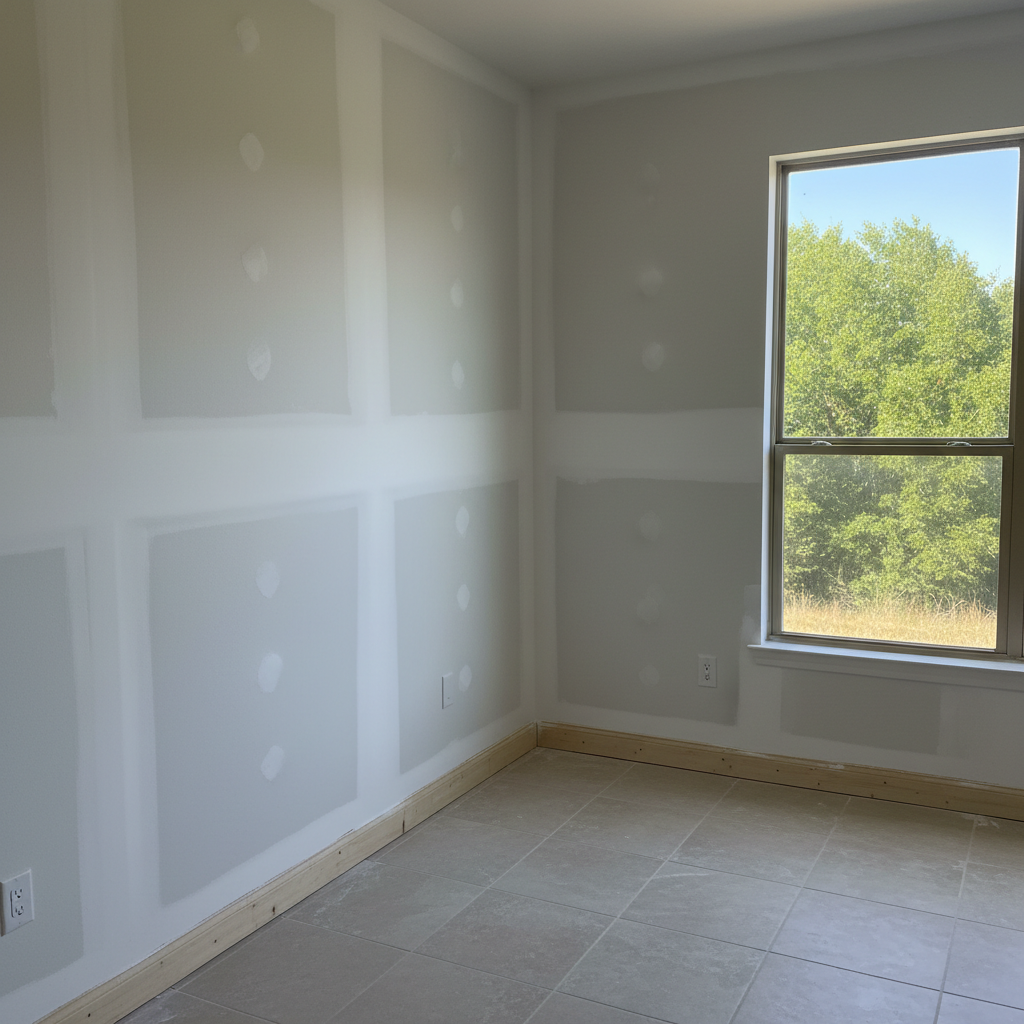
That musty smell in the hallway will not fix itself. If you live around Blue Ridge, you already know how brutal our North Texas weather gets. Between the heavy spring storms rolling across Collin County and the suffocating humidity that sticks around all summer, moisture finds its way into places it should not. Once water gets trapped behind a wall or under a floorboard, mold moves in fast.
Expert Restoration has pulled out plenty of contaminated drywall from local ranch-style homes and newer builds alike, and almost every time, a little preventative maintenance could have stopped the disaster before it started. Here is what you actually need to do to keep your property dry and safe.
How to Keep Mold Away After Remediation
Once you have had a crew clear out an infestation, your job is not over. North Texas clay soil holds onto moisture forever, keeping crawlspaces and foundations damp long after a rainstorm passes. You have to actively fight that humidity every single day.
Keep your indoor humidity below fifty percent using a reliable dehumidifier, especially if you have a tight house that does not breathe well. Check your AC condensate line twice a season because those drain tubes love to clog up with algae in the July heat, spilling water right onto your subfloor. Run your exhaust fans in bathrooms for at least twenty minutes after a hot shower instead of turning them off the second you walk out.
Warning Signs You Have Got a Problem
Mold rarely announces itself politely. Usually, it starts whispering through subtle clues before it turns into a massive, expensive headache.
- That persistent earthy or musty odor that smells like a damp basement even when everything looks clean
- Peeling wallpaper or bubbling paint on exterior walls where the summer storms beat down
- A sudden uptick in allergy flare-ups or persistent coughing matches every time you stay indoors
- Dark speckling appearing around your AC vents or baseboards
If you spot these signs, do not just spray some bleach on it and hope for the best. Bleach only kills surface spores on non-porous materials; it leaves the roots deep inside your drywall completely untouched.
When to Call a Professional
- The affected area covers more than a small ten-by-ten patch
- The mold is coming from a sewage backup or dirty floodwater
- You keep cleaning it off, but it keeps coming back in the exact same spot
When you are dealing with a stubborn outbreak that will not quit, contact Expert Restoration for Water Damage Restoration Service in Blue Ridge. We know how Collin County homes are built, and we know how to get your indoor air back to normal without tearing your whole house apart.